
Our story · Since 1964
From a helping hand on the Grand Union Canal to a national network of cruising clubs, AWCC’s history is a story of practical support, friendship and a shared commitment to the waterways.
1964
A breakdown that brought clubs together
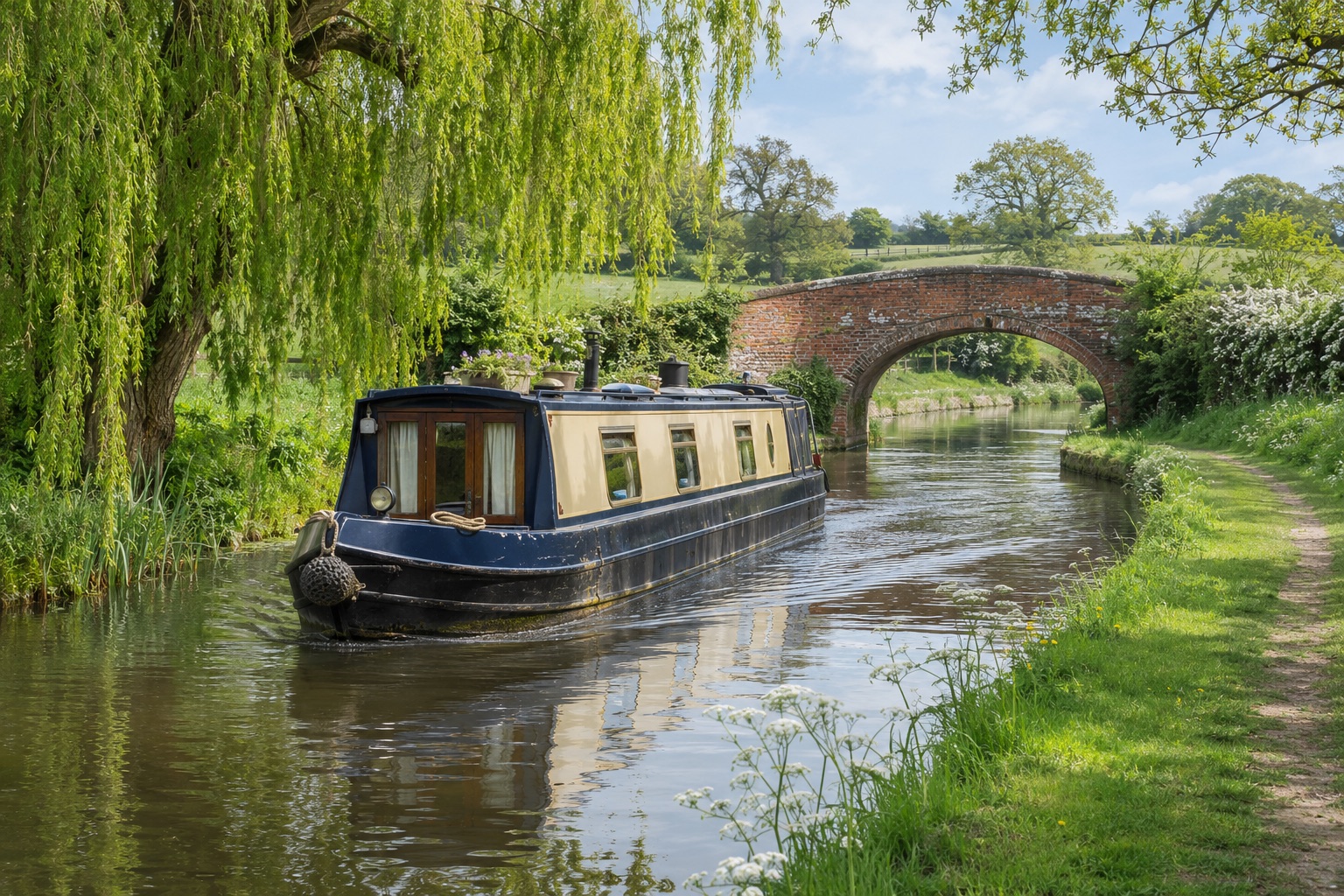
AWCC’s story began with a problem familiar to many boaters: an engine failure far from a boatyard. Dennis Cole, then commodore of St Pancras Cruising Club, broke down at Marsworth while travelling along the Grand Union Canal.
Help came through Dunstable and District Boat Club at nearby Cook’s Wharf, Pitstone. Its commodore found an engineer, and Dennis was able to continue his journey.
The experience prompted a meeting between St Pancras, Dunstable, Uxbridge and Lee & Stort boat clubs. In 1964 they formed AWCC to organise practical assistance and, when space allowed, safe overnight moorings for one another’s members.
1966
A growing network — and the first handbook
Within two years, the original four clubs had become eighteen. A shared blue and yellow burgee helped identify the growing association, while its first handbook brought club locations and emergency telephone numbers together in one practical guide.
The network also created opportunities to meet. AWCC’s early activities included a summer dance aboard a Thames river boat and its first rally at Gayton Junction on the Grand Union Canal.
From the outset, the association combined useful help on a journey with the friendships that make club boating special.
The 1970s
Local knowledge. A national voice.
As membership passed fifty clubs in the mid-1970s, AWCC introduced a regional structure so that local knowledge could support a wider national network. By 1979, membership had reached eighty clubs.
Its work developed alongside that growth. Practical help and visiting moorings remained central, while AWCC became a recognised voice in discussions about boating and the waterways.
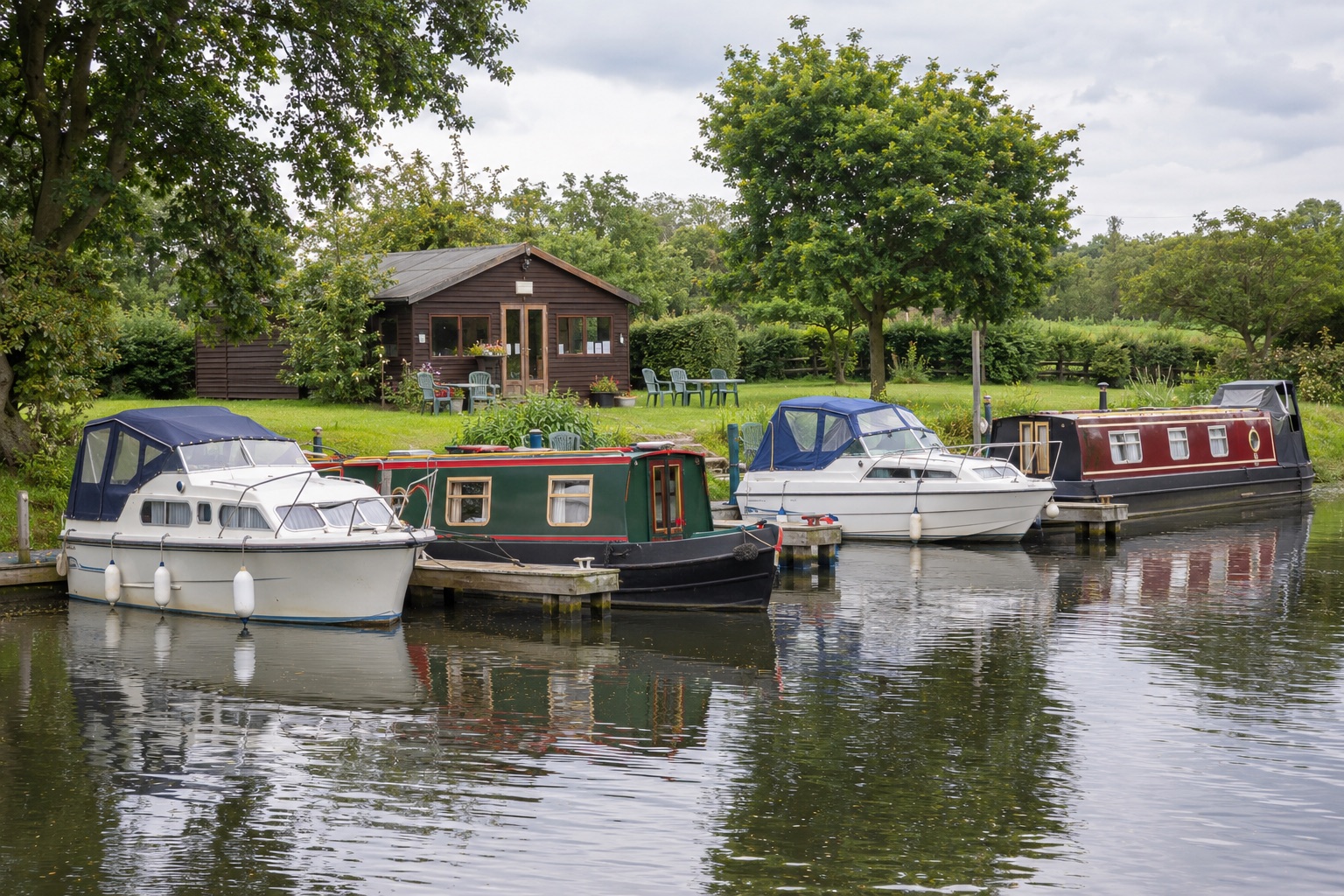
The regional approach continues through London, Midland, North East, North West and South East, connecting individual clubs with the association’s national work.
2023
Working together for the waterways’ future
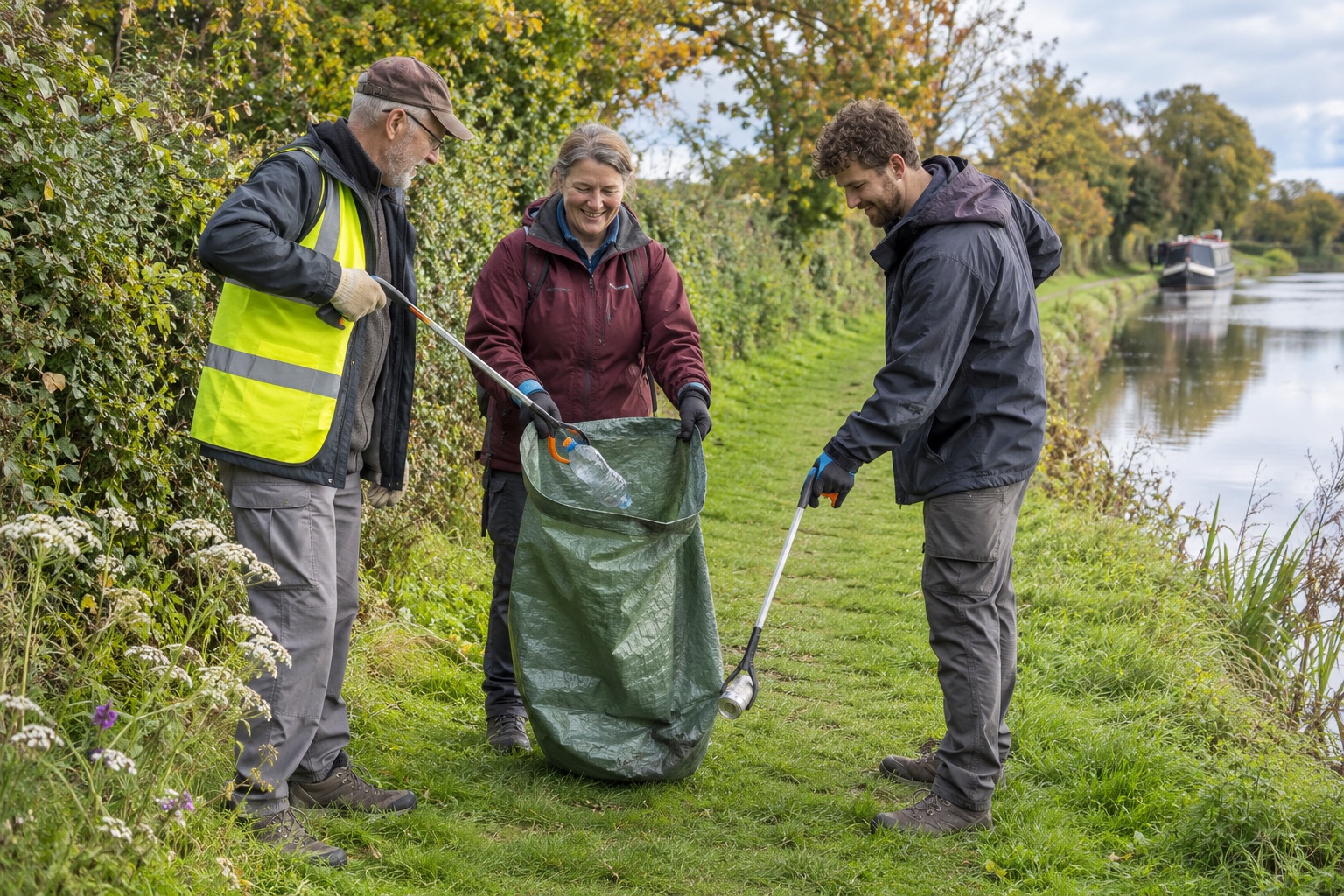
AWCC was among the initial member organisations of Fund Britain’s Waterways when the coalition launched in June 2023.
The launch announcement, published in AWCC’s news archive, called for sustainable funding to protect canals and navigable rivers. Later updates covered campaign cruises and opportunities for supporters to question navigation authorities.
That involvement reflects how the association’s role has broadened: supporting boaters on individual journeys while joining others to protect the network those journeys depend on.
2024
Celebrating sixty years of AWCC
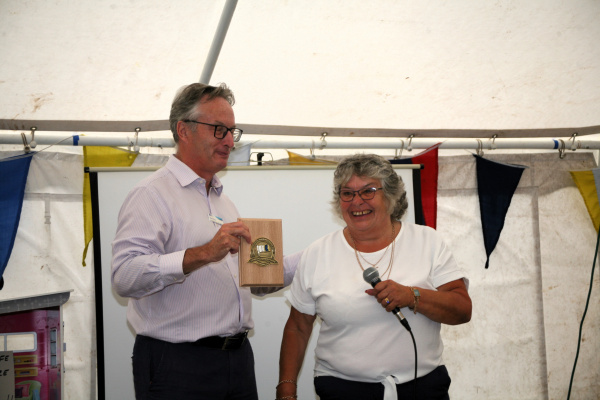
In August 2024, Lichfield Cruising Club hosted AWCC’s 60th anniversary rally. More than a hundred members from twenty clubs came together, with thirty visiting boats joining the celebrations.
Richard Parry, then chief executive of the Canal & River Trust, officially opened the rally. The weekend combined activities, entertainment and time together — a celebration of the club friendships that have sustained the association since 1964.
Today
The same welcome, wherever you cruise
The idea behind AWCC remains straightforward: clubs can offer more when they help one another.
Visiting moorings, local contacts, shared experience and a collective voice all build on that original inter-club arrangement. Club handbooks, publications and regional meetings help keep the network connected.
Whether a visit brings practical assistance, a useful conversation or a lasting friendship, the welcome offered by another club remains an important part of the AWCC story.
Explore the archive
This account draws on AWCC’s published history, its 2023 waterways campaigning announcements and the 2024 anniversary rally report. Further reading: AWCC on Wikipedia.
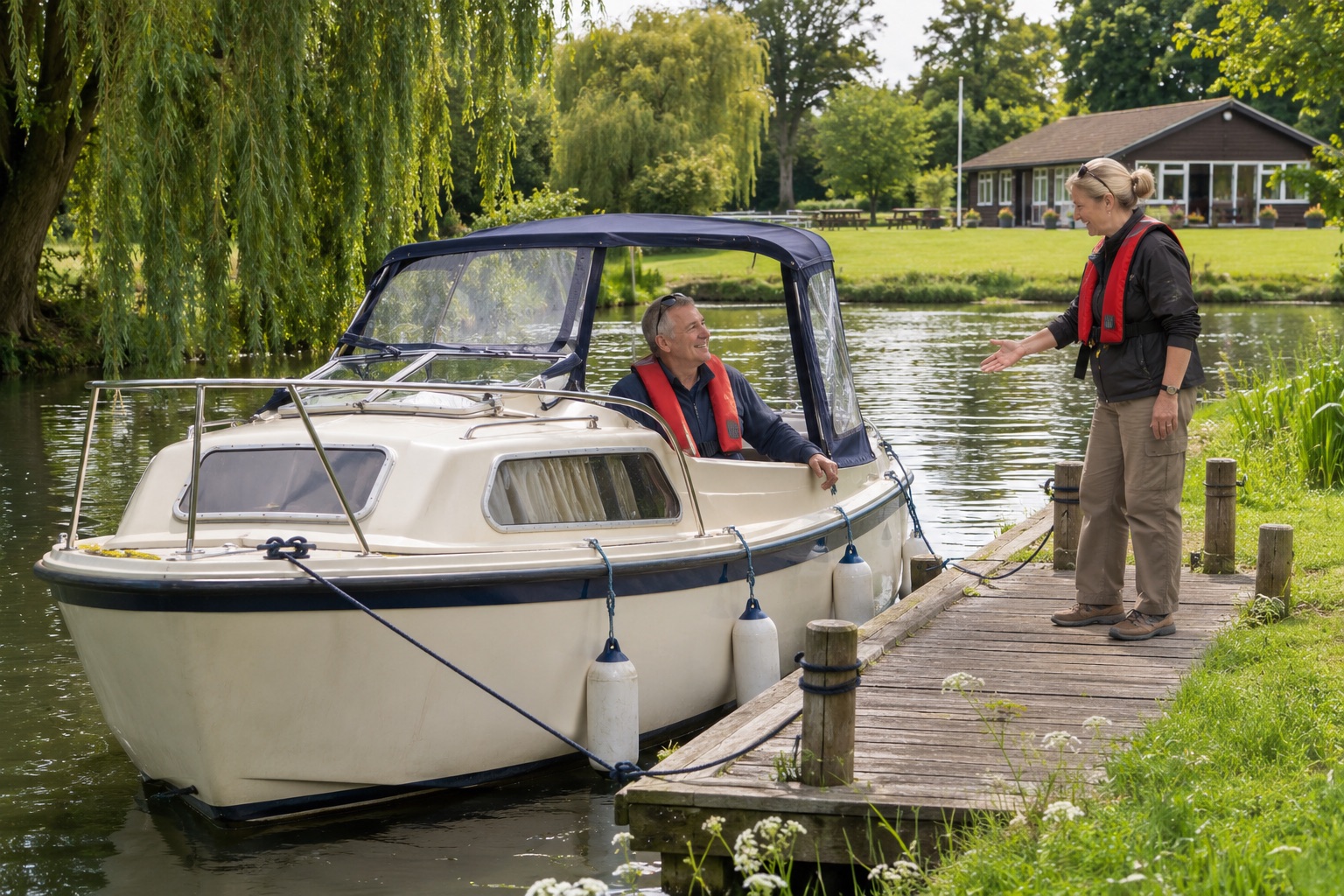
Waterways scenes are illustrations. The 2024 rally photograph is from AWCC’s archive.
Read the original AWCC historical account
This earlier account is retained as part of the public archive. Its time-relative wording, membership totals, regional structure and organisation names describe the original account and should not be treated as current figures.
HISTORY OF THE AWCC
While mooring at an attractive, remote spot on any waterway is one of the pleasures of cruising; breaking down miles from anywhere can be a daunting prospect. Forty years ago the late Dennis Cole, then commodore of St Pancras Cruising Club, faced this problem when his outboard engine packed up at Marsworth while on a cruise from St. Pancras Cruising Club up the Grand Union Canal. Boatyards were few and far between in those days but Dennis knew the Dunstable and District Boat Club at Cook’s Wharf, Pitstone, nearby. He called the Club’s Commodore who alerted an engineer and Dennis was soon under way again.
The recovery prompted him to arrange a meeting between St. Pancras, Dunstable, Uxbridge and Lee & Stort boat clubs to discuss a scheme for a formal inter-club arrangement to provide an emergency service for boaters. As a result the Association of Waterways Cruising Clubs (AWCC) was formed in 1964. Its function was not only to give practical help to boaters of member clubs but also to offer safe, overnight moorings if a berth were available.
Its growth was rapid: by 1966 membership had increased from 4 to 18 clubs flying the AWCC’s blue and yellow burgee and the first handbook was published giving club locations and emergency telephone numbers. A summer dance was held aboard one of the Thames river boats and the first rally was held at Gayton Junction on the Grand Union. In the mid 70s, when the number of clubs passed the half-century mark, it was decided to form the regional structure that remains to this day. By 1979 the number had risen to 80 member clubs and AWCC had become a recognised consulting authority on boating affairs. Although the membership curve then flattened out, due to the demise of some clubs and the amalgamation of others, AWCC continued to take more clubs on board before settling back again to a total about 80 clubs representing some 10,000 members covering the whole of the inland waterways network from Lancaster to London, Boston to Bristol and Ripon to Reading.
The AWCC has also grown in stature. In addition to providing breakdown assistance and temporary moorings, it has become an influential boaters’ lobby, consulted by the Canal and River Trust, the Environment Agency and independent navigation authorities as well as IWAAC, district and local councils and the DETR. The Association also works closely with navigation user groups including the IWA, RYA, NABO, BMIF and APCO.
Mindful that local issues concern boaters as much as national developments, the AWCC lends its support to individual clubs through five regional committees covering London, the Midlands, North East, North West and South East. Each member club has a vote at national level and is represented on the local area committee. Each region holds regular meetings and the minutes of these and the National Executive meetings are posted onto the website in the Members Area. Member clubs are free to post relevant news items onto the website and the copies of the former ‘ALERT’ newsletter are also available. An annual handbook (available to members of AWCC clubs as a PDF download or in printed format) lists all member clubs, giving locations, club contacts and the facilities available in case of need.
Now that more boaters are able to enjoy extended cruising and are ‘weekending’ their boats around the waterways network, members of affiliated clubs have an immediate entry to clubs en route. Clubs with premises welcome visiting boaters to use their facilities, have a drink at the bar and, like all boaters do, swap stories about their adventures afloat. Due to the unique facility a number of new and long lasting friendships are being made all around the system.